Related Articles
- How Mobile Accounting Influences Entrepreneurial Mental Health and Work-Life Balance in Gig Economies
- The Quiet Costs: How Mismanaged Time Data Quietly Undermines Small Business Growth and Decision Making
- Top 5 Trailblazing AI-Powered Financial Reporting Apps Revolutionizing Accuracy and Speed Since 2019
- How Behavioral Economics Shapes Decision-Making in Financial Record Matching and Discrepancy Resolution
- How Subtle Shifts in Supplier Relationships Secretly Affect Your Company's Financial Health and Liquidity Balance
- Top 6 Payroll Solutions Born in the Last Five Years That Are Quietly Taking the Gig Economy by Storm
Top 6 Innovative Financial Reporting Tools Reshaping Business Transparency in the Last Five Years
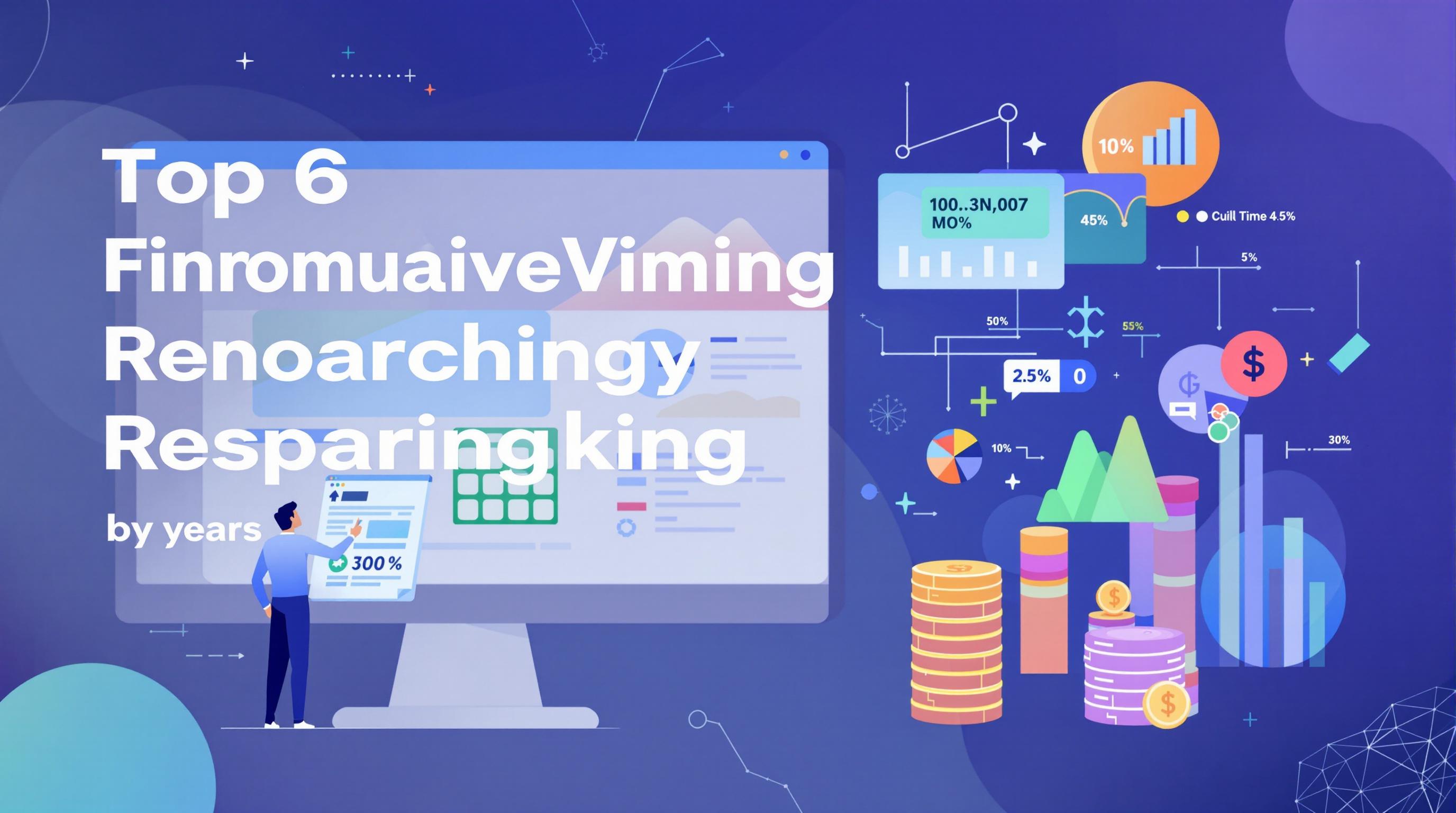
Top 6 Innovative Financial Reporting Tools Reshaping Business Transparency in the Last Five Years
Financial reporting has undergone a remarkable transformation in the last five years, driven by cutting-edge tools that enhance transparency and accuracy. This article explores six innovative solutions reshaping how businesses convey their financial health to stakeholders.
Revolutionizing Transparency: The Rise of Data Visualization Tools
Imagine sifting through endless rows of spreadsheets trying to spot key financial indicators—it’s a nightmare! Thankfully, data visualization platforms like Tableau have changed the game by transforming dull numbers into intuitive charts and dashboards. This not only expedites decision-making but also invites broader audiences—like investors and employees—to engage with complex financial data effortlessly.
For example, a 2019 study by Deloitte found companies using visualization tools saw a 30% reduction in reporting errors and a 25% increase in stakeholder understanding. These savings translate into better confidence in the company’s financial status and can directly impact investment and strategic growth.
The Cloud Advantage: Real-Time Collaboration Leads the Way
Here’s a story: A mid-sized manufacturing firm located across three continents implemented Float, a cloud-based financial reporting solution that enabled their teams to contribute real-time updates globally. Within months, their reporting cycle shrank from weeks to mere days, cutting operational costs by 15%.
Cloud technologies not only facilitate seamless collaboration but also tighten internal controls and compliance through automated audit trails, greatly enhancing transparency. Organizations like PwC (2021) recommend cloud integration for businesses aiming to future-proof their financial operations.
AI-Driven Analytics: The Financial Crystal Ball
If you think AI belongs only in sci-fi, think again. Tools such as Workiva harness artificial intelligence to detect anomalies, forecast risks, and automate repetitive tasks. This smart automation reduces human errors and allows finance teams to focus on strategic analysis rather than mere number crunching.
According to an EY report in 2022, companies that adopted AI-powered financial reporting tools witnessed a 40% faster close process and a 35% reduction in compliance costs. Beyond efficiency, investors increasingly demand such tech-driven transparency as proof of corporate integrity.
Storytelling with Financials: The Emergence of Narrative Reporting Tools
Let’s switch gears—numbers sometimes tell only half the story. Narrative reporting tools like Quill by Narrative Science transform raw financial data into compelling written narratives. This helps organizations communicate not just "what" happened but "why" and "how," creating a fuller picture that resonates with both analysts and laypeople.
Take the example of a retail giant that integrated Quill into their quarterly earnings calls. Stakeholder engagement improved by 50%, showing that blending data with storytelling enhances understanding and trust. As CFO Jane Wang remarks, "Narrative reporting humanizes our financials."
Blockchain: The Guardian of Financial Integrity
Trust in financial data is paramount—this is where blockchain technology shines. By securing transactions with decentralized ledgers, platforms like IBM Blockchain offer tamper-proof records that auditors and regulators can verify independently, minimizing fraud risks.
The World Economic Forum estimates that blockchain could reduce audit costs by up to 30% through increased transparency and real-time verification. Financial institutions embracing this technology report stronger compliance postures and greater stakeholder confidence.
Open-Source Innovations: Democratizing Financial Reporting
Here’s a lighter note: What do open-source software and finance reporting have in common? Surprisingly, a lot. Platforms like Apache Superset allow businesses, large and small, to customize their financial dashboards without excessive licensing fees. This democratizes access to sophisticated financial analytics previously locked behind expensive proprietary solutions.
Startups employing these tools report enhanced agility and transparency without breaking the bank. With a vibrant community continuously improving features, open-source is poised to shape the future of financial reporting.
Conclusion
From AI-powered analytics and blockchain's trust mechanisms to narrative tools and open-source solutions, these top six innovations are revolutionizing financial reporting. Businesses adopting these technologies enjoy greater transparency, efficiency, and stakeholder engagement—benefits that are not just technical but profoundly human.
Whether you are an aspiring accountant, a curious investor, or a student navigating the world of finance, understanding these tools offers a window into the future of transparent and trustworthy business practices.